Video Production in Santa Barbara: Studios, Crews, and Costs
Why brands shoot in Santa Barbara
The south coast has real corporate gravity: Deckers Brands, the parent of Ugg and Hoka, is headquartered in Goleta, and the wine, hospitality, and outdoor industries all produce steady commercial work. Add the visual range, ocean, mountains, missions, and a preserved downtown, and the region generates more production than its size suggests. Work shot at Summit Studios alone spans Apple, Disney, Adidas, and Giant, which says less about one stage and more about the caliber of work moving through the market.
The studio infrastructure
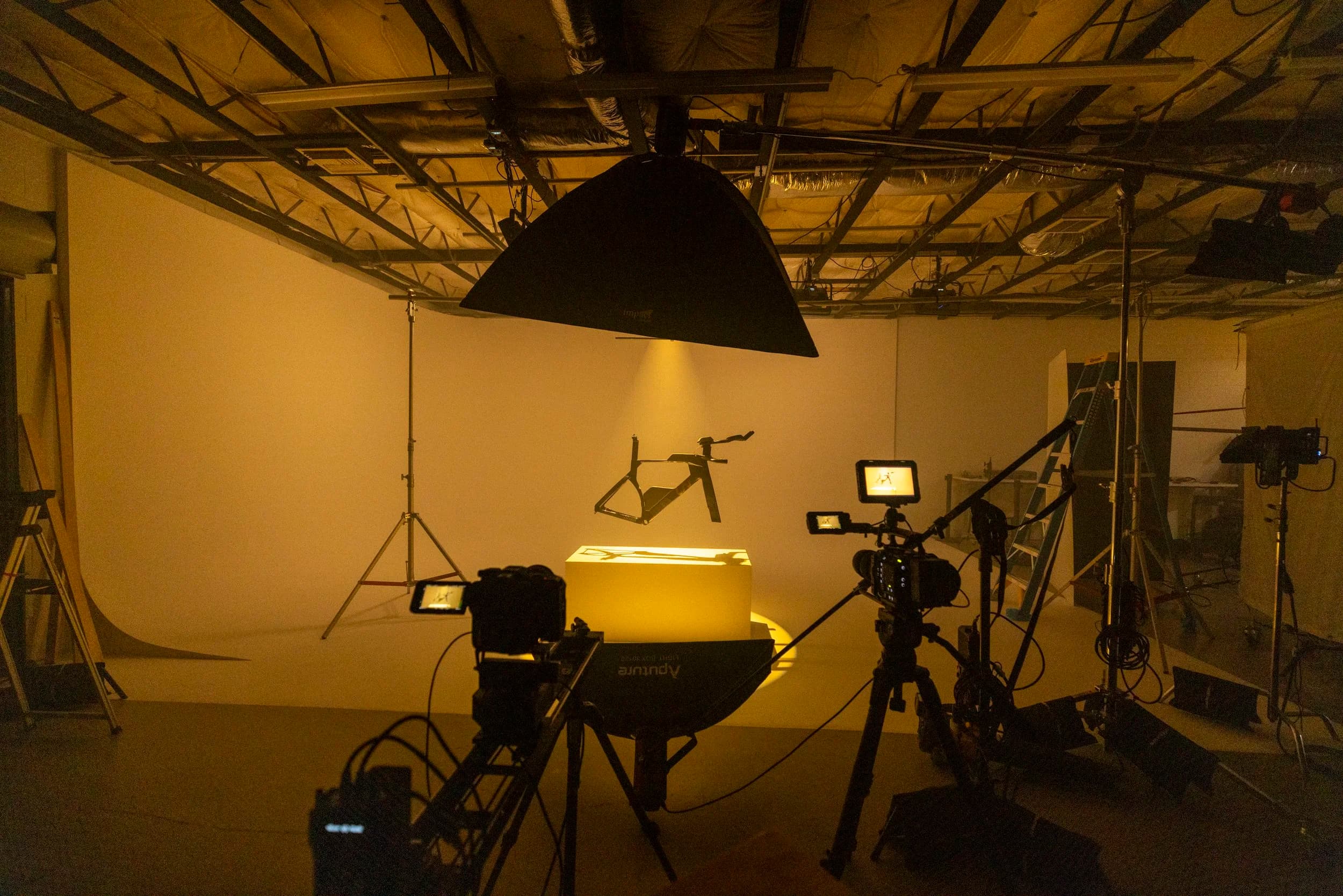
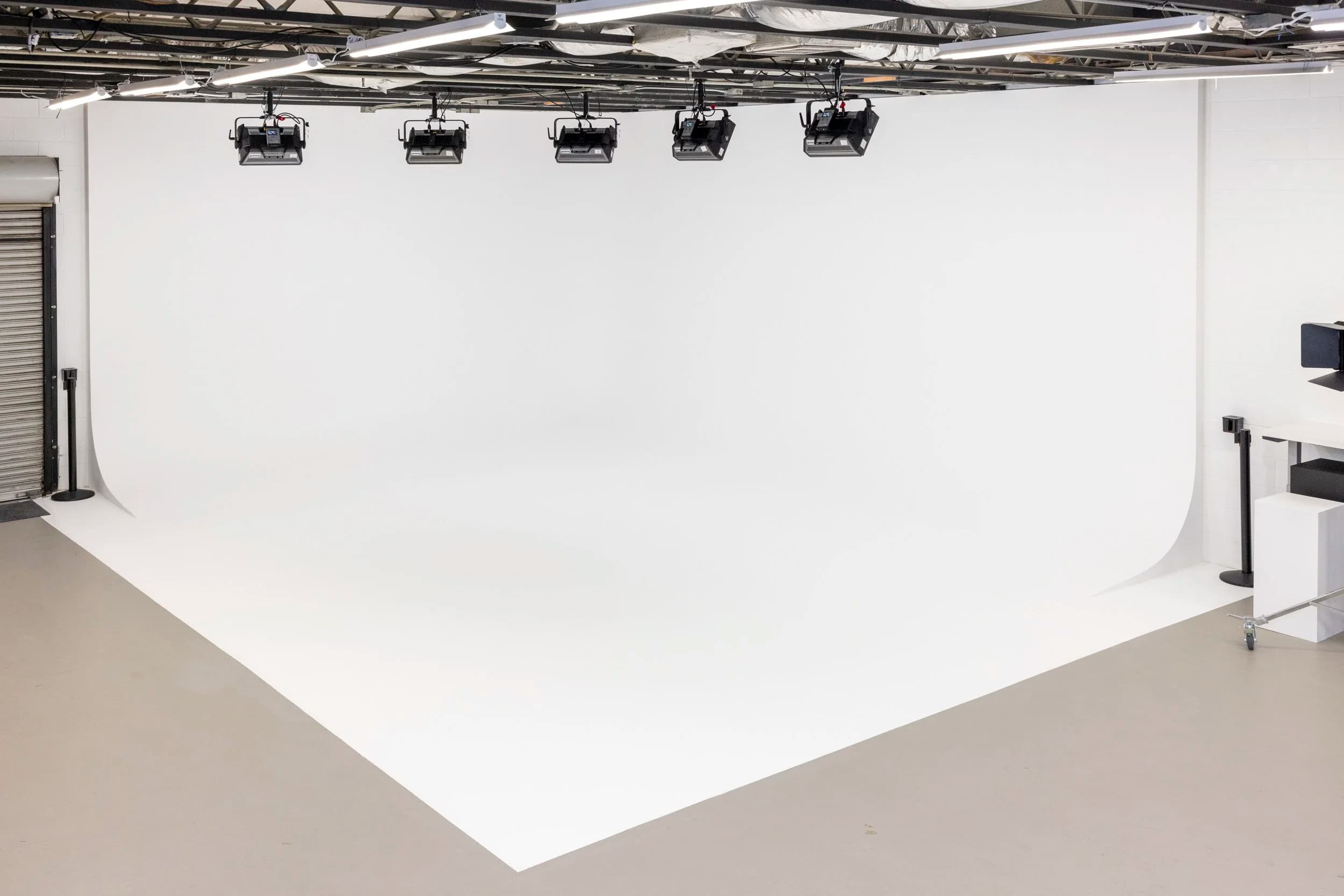
Santa Barbara's stage inventory is small but capable, and it consolidated meaningfully in the last few years. The largest professional stage in the market is 1,600 sq ft with a corner RGB cyc wall, downtown at Summit Studios, with camera, lighting, and grip rental in the building. Smaller spaces and daylight lofts round out the market for portrait and lifestyle work. For most commercial productions the deciding factors are the cyc, the load-in, and whether the stage can support photo and video on the same day.
What production days typically cost
Stage rental in the Santa Barbara market generally runs $800 to $1,500 per 10-hour day, with equipment packages quoted on top. Location days trade the stage fee for permit costs and weather risk. Crews price comparably to other California markets, and the savings against Los Angeles concentrate in the stage rate, parking, and logistics rather than labor. For the LA comparison in detail, see LA studio rates vs Santa Barbara.
Shooting on location versus on a stage
Santa Barbara tempts producers outdoors, and for good reason, but the choice between location and stage should come down to control rather than scenery. Location gives you production value you cannot build: real coastline, real architecture, real light. It costs you certainty. Weather shifts, permits apply on public property, and the light you scouted at 4pm is not the light you get on a foggy morning.
A stage gives you the opposite trade. Nothing about the day depends on the sky, the background is whatever you decide, and the schedule holds. For anything with a hard deliverable date, talent flying in, or a shot list that has to match across many setups, the stage is the lower-risk instrument. Many productions here do both: a studio day for the controlled work and a half day outside for the establishing material.
Working with an out-of-town brand or agency
A large share of the commercial work shot in Santa Barbara is commissioned from somewhere else, usually Los Angeles. The pattern that works best is a local production team paired with the client's own creative direction, which removes travel and per diem for a full crew while keeping local knowledge on the ground.
If you are commissioning from out of town, ask three things early: whether the team can cover both production and post, whether the stage and gear are in-house or subcontracted, and who is actually on set on the day. In a small market those answers vary a lot, and they determine how many vendors you end up managing.
Crew and equipment availability
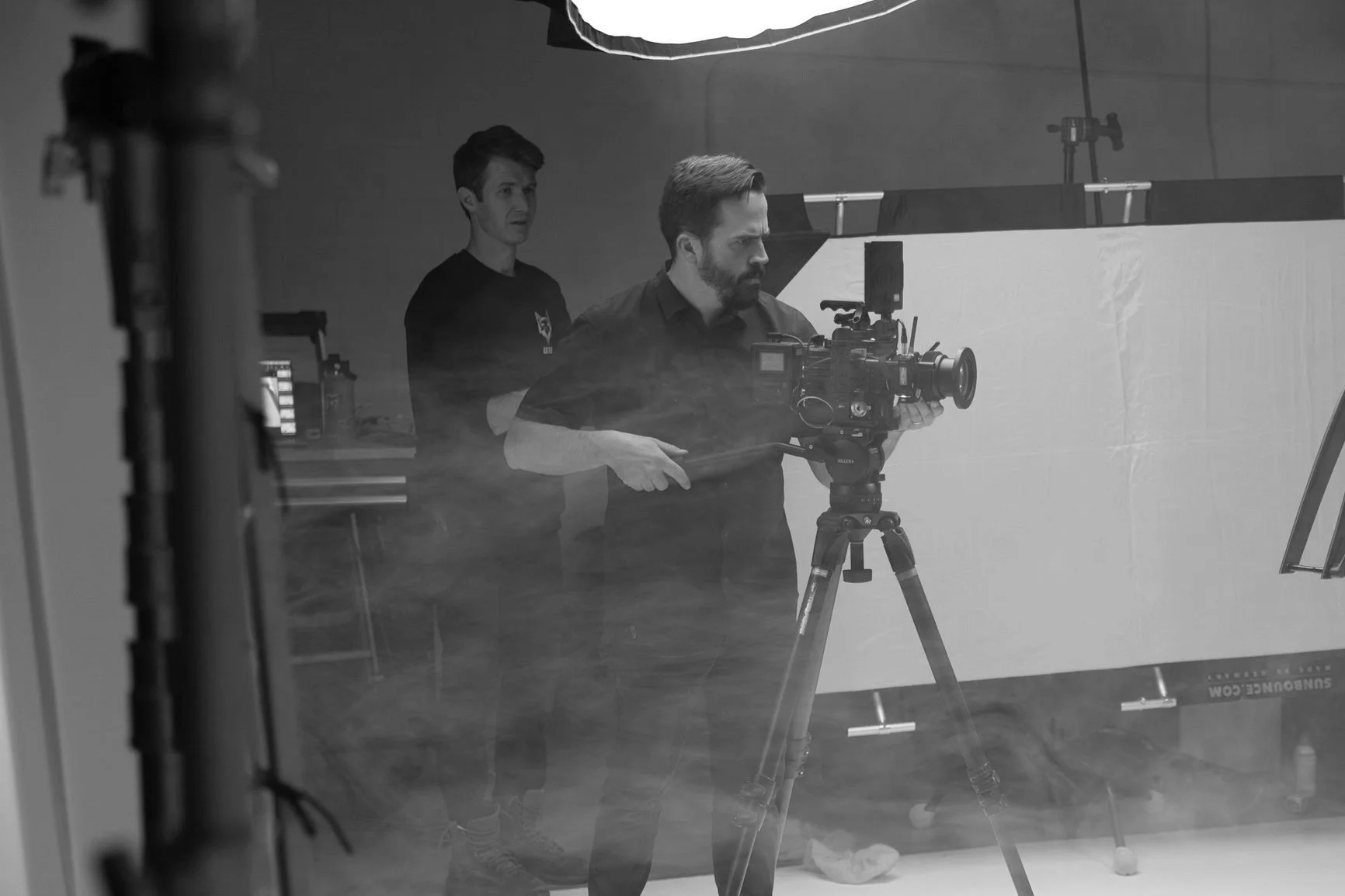
The local freelance base covers directors of photography, gaffers, grips, sound, and HMU, seeded over the years by Brooks Institute alumni who stayed on the coast. For larger builds, LA crew is 90 minutes away and routinely day-plays on Santa Barbara productions. On-site studio inventory covers the common camera, lighting, and grip needs, and full rental houses in LA can truck specialty gear up the 101 with a day's notice.
How long a video project actually takes
Timeline is the question clients ask second and should ask first, because it drives cost more than any single line item. A straightforward corporate piece, a few interviews and supporting footage, commonly runs two to four weeks from brief to final cut: a few days of pre-production, one shoot day, then edit, revisions, and delivery.
Commercial and campaign work stretches further because the pre-production carries more weight. Concepting, casting, wardrobe, location scouting, and client approvals routinely take longer than the shoot itself. Build in review cycles honestly. Most overruns come from approval rounds nobody scheduled, not from the crew working slowly.
Hiring a production company versus renting a stage
These are different purchases and it is worth being clear which one you need. Renting a stage buys you the space, and sometimes the gear, while you supply the crew, the creative, and the plan. Hiring a production company buys the outcome: someone else owns the concept, the crew, the shoot, and the edit, and delivers a finished piece.
In-between arrangements are common and often the most efficient. An agency with its own creative might hire a local production team for crew and equipment only. A brand with no internal video capability usually wants the full service. Summit works both ways, renting the stage to visiting productions and taking on commercial and corporate video production directly, which is worth knowing when you decide how much of the job to hand over.
What to have ready before you brief a team
Quotes come back faster and closer to reality when the brief carries a few specifics. You do not need a finished creative, but you do need to know these:
- The deliverable. Not just a video, but how long, in what aspect ratios, and for which platforms. A thirty second social cut and a three minute brand film are different productions.
- The audience and the job. Recruiting, sales enablement, and brand awareness pull the work in different directions.
- A date that matters. Campaign launch, trade show, earnings call. Deadlines drive the schedule more than budget does.
- Who appears on camera. Executives, staff, hired talent, or nobody. Casting and scheduling are often the long pole.
- Your budget range. A range, not a number. It lets the team propose something achievable instead of guessing twice.
Producers who arrive with those five answers typically get a usable scope back within a couple of days rather than a discovery call followed by a long wait.
Common production types on the coast
- Brand commercials for apparel, footwear, and outdoor companies
- Corporate video for the region's tech, wine, and hospitality businesses
- Documentary work drawn by the coast and the agricultural valley
- Product and e-commerce content on cyc stages
- Music and performance pieces using the RGB wall as a colorable environment
Frequently asked questions
Is there a professional video production studio in Santa Barbara?
Yes. The largest is Summit Studios downtown, a 1,600 sq ft stage with a corner RGB cyc wall and camera, lighting, and grip rental on site.
What does video production cost in Santa Barbara?
Stage days typically run $800 to $1,500, with crew and equipment quoted to the production. Total budgets vary with crew size and gear, but stage and logistics costs sit well below Los Angeles rates.
Can I hire a full crew locally in Santa Barbara?
For most commercial shoots, yes. The local freelance base covers the core departments, and LA crew supplements larger productions with a 90-minute drive.
Do Santa Barbara studios rent equipment?
Full-service stages do. Summit Studios rents camera, lighting, and grip packages in the building, and LA rental houses deliver specialty gear with notice.
Why do LA productions shoot in Santa Barbara?
Lower stage rates, simpler permits and parking, distinctive coastal looks, and a full-service stage 90 minutes from LA. Many productions bank real savings after travel costs.