How Much Does It Cost to Rent a Photo Studio?

What a studio day costs in Southern California
A production day at a professional studio in Southern California usually lands between $500 and $2,500, with the wide spread explained by what kind of space you are actually renting. Marketplace listings on platforms like Peerspace cover everything from a garage with seamless paper to a full stage, which is why hourly prices there range from roughly $50 to $300 per hour.
Dedicated production stages price differently. Most quote a 10-hour day rate rather than an hourly figure, because professional shoots rarely fit into two or three hours once you count load-in, set builds, and wrap. In the Santa Barbara market, professional stages typically fall in the $800 to $1,500 per day range. Flagship stages in Los Angeles operate in another bracket entirely, often several thousand dollars per day before equipment and staff.
What decides the price
Five factors explain almost every studio quote you will receive:
- Stage size. Square footage and ceiling height set the baseline. A 1,600 sq ft stage with high ceilings supports larger sets, bigger crews, and wider lighting setups than a converted retail space.
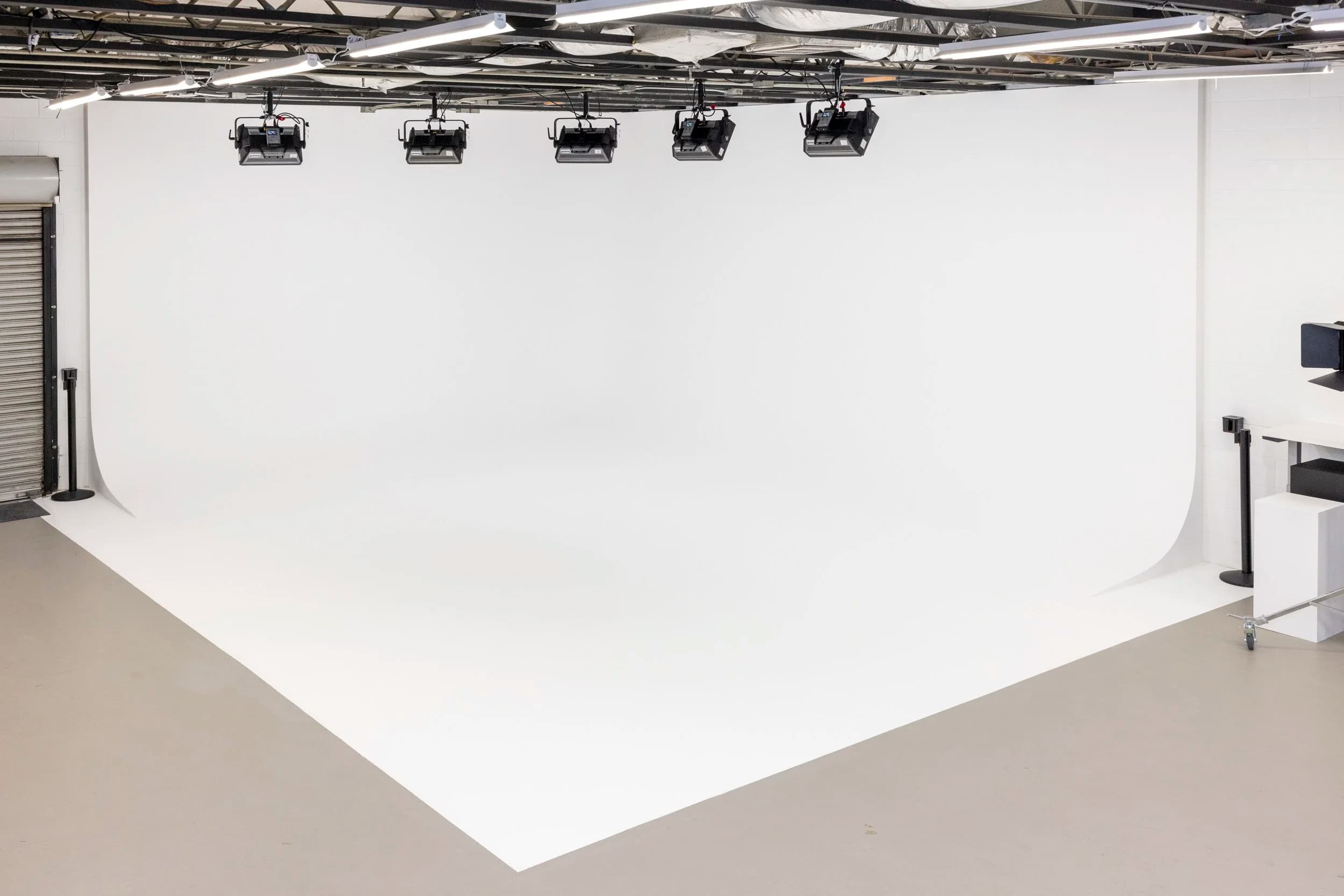
- A cyc wall. A seamless cyclorama, especially a corner cyc, is expensive to build and maintain, so cyc stages price above open rooms. It is usually worth it: you get an infinite background without renting and rigging backdrops.
- Included lighting. A pre-lit cyc saves an hour or more of rigging. Stages that include grid lighting in the day rate cost more up front and less in practice.
- On-site equipment rental. Studios with camera, lighting, and grip inventory let you skip a separate rental house run, which affects the real cost of the day even when the stage rate looks higher.
- Hours and overtime. Know where the day ends. A 10-hour day from 8:30 am to 6:30 pm is a common standard, and overtime rates apply after it.
What a full-service booking should include
A full-service stage should cover the things that otherwise nickel-and-dime a production. Before you book, confirm what sits inside the day rate:
- The stage itself, with the cyc pre-lit if you need it
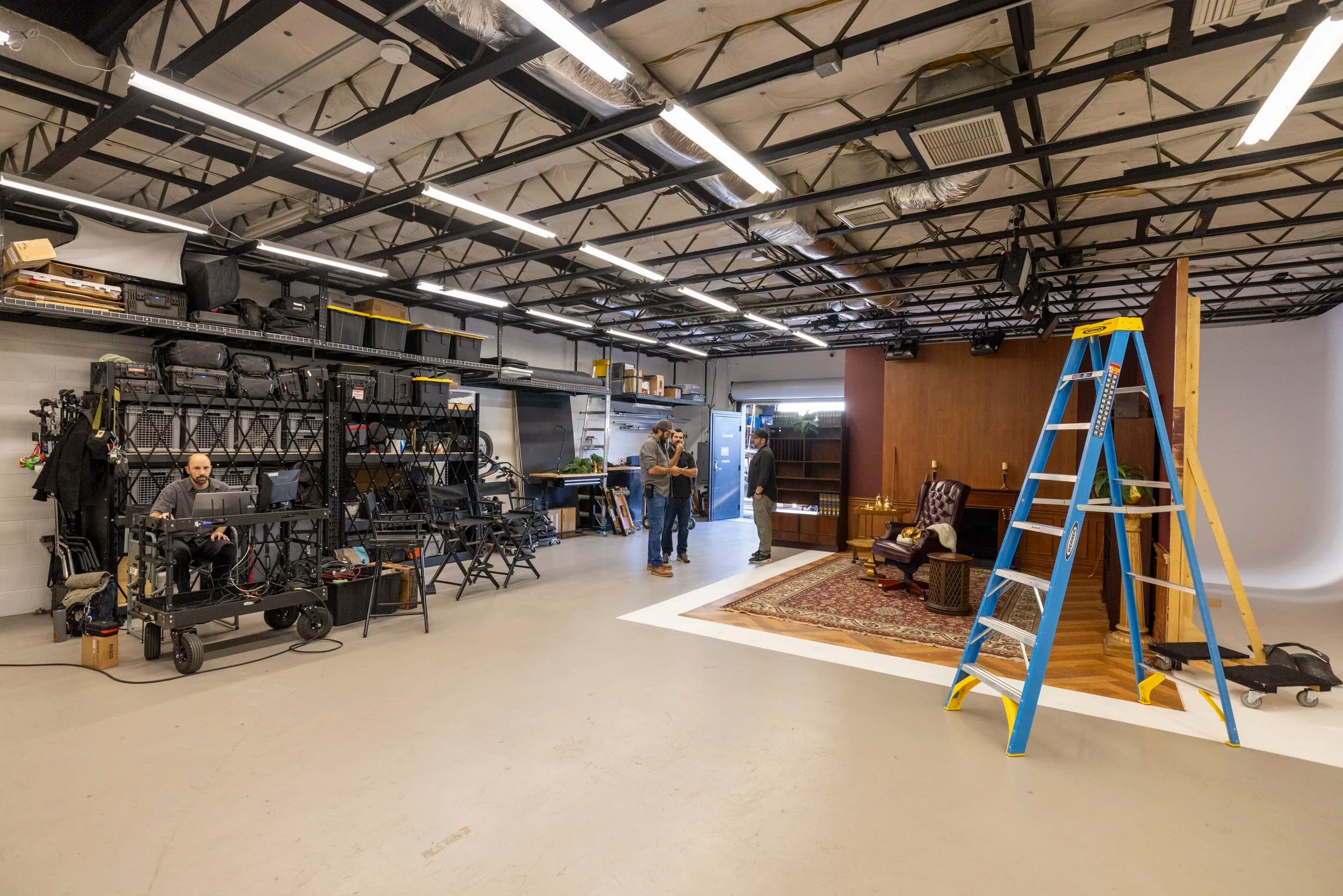
- Load-in access that does not involve stairs, ideally a roll-up door
- Parking for the crew, on site or off-street
- Fast Wi-Fi, a kitchen, and a client area
- Access to rentable camera, lighting, and grip inventory in the building
At Summit Studios in Santa Barbara, all of the above is standard, which is a useful benchmark for what to expect from any professional stage regardless of city.
The costs that sit outside the day rate
The stage rate is the number everyone compares, and it is rarely the whole invoice. Budget for these before they surprise you:
- Overtime. Most stages quote a ten hour day and bill hourly past it, often at a premium rate. Build a realistic wrap time into the schedule rather than hoping.
- Equipment. Camera, lighting, and grip are almost always quoted separately from the space.
- Insurance. Professional stages require a certificate of insurance. Short-term production policies are widely available, so treat it as a line item, not an obstacle.
- Cleaning or cyc repainting. Normal scuffing is expected, but heavy marking of a cyc can carry a repaint charge. Ask where the line sits.
- Load-in and load-out time. Some studios include it, some start the clock when you arrive. This single difference can change a quote by an hour or two of rate.
- Parking and power. Usually included at a full-service stage, occasionally not at cheaper spaces.
Hourly versus day rate, and which to book
Hourly booking looks cheaper and often is not. Marketplace spaces list by the hour because their typical booking is short, but a professional shoot rarely fits inside a three hour window once load-in, setup, the shot list, and wrap are counted. Booking four hours and running over usually costs more than booking the day, and it adds schedule pressure that shows in the work.
Hourly makes sense for genuinely small jobs: a single headshot session, a quick product set, a self-tape. For anything with a crew, a client, or more than a couple of setups, the day rate is both cheaper and calmer. If you are unsure which you need, describe the shot list to the studio and ask them, since they have watched hundreds of similar days run.
How Santa Barbara compares to Los Angeles
The same production day costs materially less in Santa Barbara than at a premium Los Angeles stage. Typical Santa Barbara day rates of $800 to $1,500 sit far below flagship LA pricing, and the supporting costs, parking, permits for any exterior work, and crew logistics, tend to be simpler too. For LA teams, the 90-minute drive up the 101 is the trade, and for many shoots the savings cover it several times over. We break down that math in LA studio rates vs Santa Barbara.
How studios structure their pricing
Most professional stages price one of three ways, and knowing which you are dealing with tells you how much room there is to negotiate scope.
- Flat day rate. One number for the stage, usually a ten hour day. Simple to budget, and what most dedicated stages quote.
- Tiered by use. A lower rate for a simple stills day, higher for a full motion crew, on the reasoning that larger productions put more wear on the space and need more support.
- Quoted to the production. The studio prices the whole package, stage plus equipment plus any support, against what the shoot actually needs. This is usually the best value for anything complex because unused line items drop out.
Half-day rates exist but are less common than people hope, and they rarely land at half the price, because the studio still loses the day for other bookings. If your shoot is genuinely short, ask rather than assume.
Where productions overspend
The most common budget mistake is booking too little time. A stage booked for six hours on a shot list that needs nine costs more than the nine hour booking would have, because overtime is billed at a premium and a rushed set produces work you may have to reshoot.
The second is renting equipment twice. Producers sometimes arrange a full package from a rental house before checking what the studio already holds, then pay for lighting and grip that was sitting in the building. Send your gear list to the studio before you book the rental house.
The third is paying premium-market rates out of habit. If the shoot does not depend on a specific city's casting pool or specialty infrastructure, the stage rate is one of the easiest lines in a production budget to cut without touching what ends up on screen.
Getting an accurate quote
Quotes come back fast and accurate when the studio knows what you are shooting. Include the shoot type (photo, video, or both), crew size, whether you need the cyc, your equipment needs, and your ideal dates. Studios that quote to the production, rather than off a flat rate card, can usually flex the package to fit a real budget.
Frequently asked questions
How much does it cost to rent a photo studio for a day?
A professional stage in Southern California typically costs $500 to $2,500 for a full day, with the Santa Barbara market usually falling between $800 and $1,500 for a 10-hour day. Marketplace spaces list hourly, commonly $50 to $300 per hour.
Why do cyc wall studios cost more?
A cyclorama is costly to build, light, and maintain, and it saves productions the cost of renting and rigging backdrops. Stages with a corner cyc price above open rooms because the wall itself replaces a whole category of rental gear.
Is equipment included in studio rental?
Usually not in the base rate. Most stages rent camera, lighting, and grip separately. Studios with inventory on site let you build one package and skip the rental house, which often makes the total day cheaper.
Do I need insurance to rent a studio?
Most professional stages require a certificate of insurance for production rentals. Short-term production insurance is widely available online, so plan for it as a line item rather than a surprise.
How far in advance should I book a studio?
Two to four weeks ahead is comfortable for most single-day shoots. Book further out for multi-day productions, weekend dates, or any shoot tied to talent availability.